- Noida (Sec 63) Delhi (Preet Vihar)
- 8800955639, 9871700866, 8368840052
- Everyday: 7AM to 8PM
- info@gicseh.com

Digital Marketing Course is one of the popular course in the world. We can easily reach to the people of every country, every city and every state via Digital Marking Process or SEO. The demand of this position is everywhere in the organization. There are many activities need to advertise and can reach to the people. Content is also very important for the SEO Activity. After the Graduation Student can plan for this course otherwise if any person want to change the carrier then can plan accordingly.
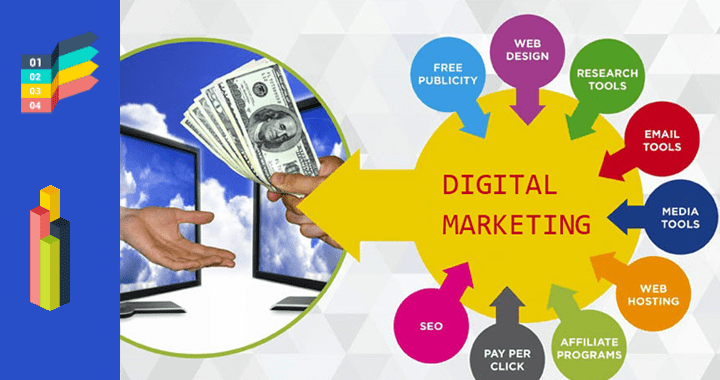
Digital Marketing Course is one of the popular course in the world. We can easily reach to the people of every country, every city and every state via Digital Marking Process or SEO. The demand of this position is everywhere in the organization. There are many activities need to advertise and can reach to the people. Content is also very important for the SEO Activity. After the Graduation Student can plan for this course otherwise if any person want to change the carrier then can plan accordingly.
# Day 1 (Digital Marketing Overview)
# Day 2 (Website planning & Creation)
# Day 3 (Email Marketing)
# Day 4 (Lead Generation)
# Day 5 (Google AdWords)
# Day 6 (Google Analytics)
# Day 7 (Facebook Marketing)
# Day 8 (LinkedIn Marketing)
# Day 9 (Twitter Marketing)
# Day 10 (Video Marketing)
# Day 11 (Instagram marketing)
# Day 12 (Pinterest Marketing)
# Day 13 (Search Engine Optimisation(SEO) )
# Day 14 (Online Display Advertising)
# Day 15 (Ecommerce Marketing)
# Day 16 (Mobile Web Marketing)
# Day 17 (Content Marketing)
# Day 18 (Online Reputation Management)
# Day 19 (Affiliate Marketing Basics)
# Day 20 (Adsense & Blogging)
# Day 21 (How To Grab Freelancing Projects)
This course makes you stand apart from the whole crowd & a real digital marketing expert.
# Day 22 (Spying on Competitors Marketing Strategies )
# Day 23 (Influencer Marketing)
# Day 24 (Email Marketing) # Day 25 # Day 26
How to Write Killer subject Line to Ensure High Open Rates
Optimisation Techniques
Ensuring High Inbox Delivery (How to escape spam filters)
Email Marketing Strategies
# Day 27 (Lead Generation), Day 28
Optimising Landing Pages
A/B Testing
Sales Funnels
# Day 29 # Day 30 (Facebook Ads)
Optimisation Techniques
Automation
Advance Scaling Strategies
# Day 31 # (Twitter Marketing)
Multiple Strategies to Increase Organic Reach with Examples.
Twitter Cards
# Day 32 (Instagram Marketing) # Day 33
A Proven Case Study - How a brand reached from 0 to 1,00,000 followers organically
Growth Hacking
Steroids for SEO
Google Adwords
# Day 34 (Advanced Optimisation of Campaigns)
Competitors Analysis
# Day 35 (Decoding Google Adwords Algorithm)
Scaling Strategy that works
# Day 36 (Media Buying using Programmatic and Google Double Click)
# Day 37 (Massive list of 500+ Digital Marketing Tools used by Top Digital Marketers Worldwide)
# Day 38 (Affiliate Marketing)
# Day 39 (Affiliate Marketing can be scaled to a million dollars a month with 50% profits margins in no time. All one needs is how to)
Find profitable offers
Spy on other affiliates
Run profitable campaigns
Scale successful campaigns to multiply earnings
Tools used by super affiliates
# Day 40 (Deep Blogging Secrets that makes money in 2018)
# Day 41 (A combination of three successful methods to make money with blogging. No hustling around with writing good content, doing SEO & getting organic traffic from google. But a proven method that is known only to a handful of affiliates & bloggers that can be scaled to a profitability of more than $1000 everyday).
If you're wondering what a digital marketing course actually covers before committing to one, the honest answer is: everything involved in getting a business found, chosen, and remembered online. A genuinely comprehensive digital marketing course goes well beyond posting on social media or running a few ads. It should teach you how search engines rank websites, how paid advertising platforms like Google Ads actually work, how to write content that both ranks and converts, and how to read analytics data to understand what's actually working.
At its core, a solid digital marketing course typically covers:
A genuinely useful digital marketing course doesn't teach these as isolated skills. It builds them into a single, coherent strategy, so by the end, you understand how SEO, paid ads, content, and email all work together rather than operating as disconnected tactics.
With so many options now calling themselves a digital marketing institute, it's worth knowing what actually separates a program that leads to real skill from one that only issues a certificate. A few things matter more than a polished sales page: does the curriculum include live, hands-on campaign work using real ad accounts and analytics platforms, rather than only simulated exercises? Do instructors have genuine industry experience managing real client budgets and campaigns, not just teaching experience? And does the institute provide access to actual tools, Google Ads, Google Analytics, email marketing platforms, rather than teaching concepts without hands-on practice?
A strong digital marketing institute should also keep its curriculum current. This field changes quickly, search algorithms update, new ad platforms emerge, and social media trends shift constantly, so a program still teaching outdated tactics from several years ago will leave real gaps in what you're prepared to do on the job.
"Best" means different things depending on what you're actually trying to achieve, and a genuinely strong program should be honest about that rather than promising to be everything to everyone. If your goal is landing a job at a digital marketing agency or in-house marketing team, the best digital marketing course for you emphasizes practical, portfolio-building work: real campaigns you can show a hiring manager, not just a certificate. If you're a business owner trying to market your own company, you may prioritize different modules, SEO and content marketing over advanced paid media strategy, for instance.
What consistently matters regardless of your specific goal: live project work rather than only theoretical exercises, exposure to real ad platforms and analytics tools rather than simulated ones, and mentors who've actually managed real marketing budgets and can speak to what genuinely works versus what only sounds good in theory.
Completing a digital marketing certification course should give you more than a document to add to your resume, when the certification reflects real, demonstrable skill rather than passive attendance. A meaningful certification is tied to genuine project work, actual campaigns run, actual analytics interpreted, actual content produced, so what you present to an employer or client is backed by something concrete you can walk them through.
This distinction matters increasingly as digital marketing hiring becomes more competitive. Employers and clients alike are getting better at distinguishing candidates who can genuinely execute a campaign strategy from those who only have surface-level familiarity with the terminology. A digital marketing certification course built around live projects, rather than only quizzes and lectures, gives you something real to discuss in an interview or a client pitch, not just a credential to list.
Digital marketing also offers unusually strong flexibility as a career path. You can work in-house for a single company, join a marketing agency handling multiple clients, freelance independently, or eventually build your own agency, and a well-rounded certification keeps all of these paths genuinely open rather than narrowing you toward just one.
If you're specifically looking for digital marketing training closer to home, our Digital Marketing Training Institute in Delhi page covers batch timings, campus details, and Delhi-specific program information built on this same practical, hands-on curriculum.
Whether you're just starting to explore what a digital marketing course actually involves, comparing institutes before enrolling, or specifically looking for a certification backed by real project work, this program is built to meet you at whichever stage you're starting from.
Beyond conceptual understanding, genuine hands-on fluency with the specific platforms marketers use daily is what separates job-ready graduates from those who can only discuss digital marketing in theory.
Google Ads and Google Analytics 4 (GA4) form the backbone of most paid search and measurement work. Comfort running real campaigns, interpreting conversion data, and understanding attribution, not just navigating the interface, is what gets tested in interviews and used daily on the job.
Meta Ads Manager (covering Facebook and Instagram) remains essential for social advertising, and genuine proficiency means understanding audience targeting, pixel tracking, and campaign structure, not just boosting a single post.
SEO tools like SEMrush or Ahrefs matter for keyword research, competitor analysis, and technical site audits, the kind of work that consistently separates candidates with genuine SEO depth from those with only surface-level familiarity with the concept.
Content and design tools like Canva or the broader Adobe Creative Suite support content marketing and social media work, useful even for marketers who aren't primarily designers, since being able to produce a clean, professional visual independently speeds up your workflow considerably.
Email marketing platforms like Mailchimp or HubSpot round out the toolkit for building and automating nurture sequences, a skill that remains relevant even as attention increasingly shifts toward newer channels.
AI-assisted marketing tools, for content generation, campaign optimization, and increasingly, SEO adapted for AI-driven search, have become close to non-negotiable in 2026, and a course that hasn't integrated this into its core curriculum is teaching an already-outdated version of the discipline.
Genuine fluency across this combination, not passing familiarity from a single demo of each, is what lets you move from understanding marketing concepts to actually running a campaign that performs.
Understanding how a digital marketing course actually unfolds phase by phase helps set realistic expectations before enrolling.
Early phase: Marketing fundamentals and SEO basics. You start with core digital marketing concepts and foundational SEO, keyword research, on-page optimization, before moving into paid channels. This phase builds the conceptual vocabulary that makes later, more technical modules easier to absorb.
Following phase: Paid advertising (SEM and social). You move into running real campaigns on Google Ads and Meta Ads Manager, working with live or simulated budgets to understand how targeting, bidding, and ad creative actually affect performance.
Mid-course: Content and social media strategy. With paid channels covered, you shift into organic growth, content marketing, social media strategy, and community engagement, skills that compound value alongside paid efforts rather than replacing them.
Later phase: Analytics and AI integration. You move into GA4-based measurement and reporting, along with how AI tools are reshaping content creation, campaign optimization, and search visibility specifically.
Final phase: An integrated capstone campaign. The course closes with a project requiring you to plan and execute a genuinely integrated campaign, SEO, paid, content, and email working together toward a single business goal, rather than treating each channel as an isolated skill.
This progression, fundamentals before channels, individual channels before integration, exists because a course that jumps straight into running ads without foundational strategy tends to produce graduates who can execute tactics without understanding why a particular approach fits a given business goal.
A common mistake among digital marketing learners is assuming a certificate alone demonstrates their skill. Increasingly, it doesn't, since employers and clients are getting more comfortable asking candidates to walk through actual campaign work and results during interviews.
The stronger approach is building a portfolio continuously throughout the course rather than assembling one hurriedly at the end. Each project, an SEO audit, a paid campaign, a content calendar, has portfolio potential if you document it properly: the business goal, your strategy, the results (even from a simulated or practice campaign), and what you'd adjust with more budget or time. This last piece matters more than beginners often realize, since demonstrating strategic thinking, not just tactical execution, is what separates a genuinely strong marketing candidate from someone who can only follow a checklist.
A portfolio built this way, showing real campaign reasoning across multiple channels rather than only polished final deliverables, gives interviewers and prospective clients something concrete to engage with well beyond a resume line or certificate alone.
A few patterns consistently show up among learners who end up frustrated partway through their training, worth knowing before enrolling anywhere.
Choosing a course still teaching pre-AI-era tactics. Digital marketing has shifted meaningfully with AI-assisted tools and AI-driven search. A syllabus that hasn't been meaningfully updated in the past year or so is likely teaching an outdated version of the field.
Enrolling in a program with only simulated, not real, campaign practice. As covered above, genuine hands-on experience with live or near-live ad accounts and budgets matters significantly more than theoretical explanations of how platforms work.
Focusing only on one channel. A course that goes deep on SEO alone, or paid ads alone, without integrating the two, leaves you less prepared for roles that increasingly expect marketers to understand how channels work together strategically.
Underestimating the analytics component. Being able to run a campaign matters less if you can't accurately measure and interpret its performance. Confirm GA4 and reporting are genuinely covered in depth, not treated as an afterthought.
Not verifying placement support specifics. Ask concretely what placement support actually includes, resume help tailored to marketing roles, mock interviews, portfolio review, and whether it continues past graduation, rather than accepting a vague mention of "placement assistance."